
mirror on closet door
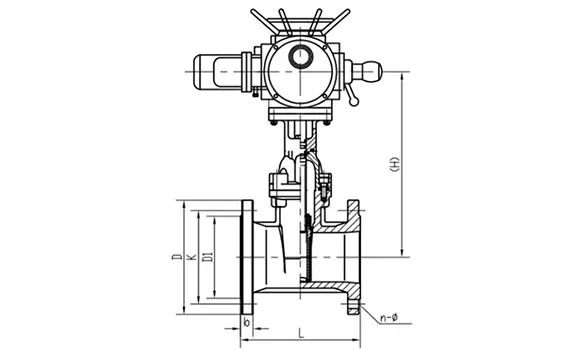
The Importance of Butterfly Valve Factories in Modern Industry Butterfly valves are an essential component in various industrial applications, providing efficient and reliable flow control for fluids and gases. The manufacturing of these valves takes place in specialized butterfly valve factories, which play a crucial role in ensuring that industries have access to high-quality products that meet specific requirements. This article delves into the significance of butterfly valve factories, their operational processes, and the impact they have on various sectors. Understanding Butterfly Valves A butterfly valve is a quarter-turn rotational motion valve that uses a flat circular disc (the butterfly) to regulate the flow of a medium. The disc pivots on a shaft to open or close the valve, offering minimal pressure drop and making it suitable for applications in water supply, chemical processing, oil and gas, and HVAC systems. Due to their lightweight design and quick operation, butterfly valves are favored over other types of valves in many situations. The Manufacturing Process Butterfly valve factories employ advanced manufacturing techniques to produce valves that meet stringent industry standards. The process typically involves several key steps 1. Raw Material Selection Quality starts with the selection of raw materials. Factories often use materials such as stainless steel, cast iron, and plastic, depending on the application requirements. Each material has its own benefits, such as corrosion resistance, strength, and ease of fabrication. 2. Precision Machining Using CNC (computer numerical control) machines, manufacturers achieve precise dimensions and tolerances for valve components. This step is critical because even slight deviations can lead to leakage or malfunction. 3. Assembly Once the components are machined, they undergo assembly. This may include the installation of seals and gaskets, which are vital for preventing leaks. Skilled technicians ensure that each valve operates smoothly and correctly. 4. Testing Quality assurance is a significant aspect of butterfly valve manufacturing. Factories conduct various tests, including pressure tests and flow tests, to ensure that the valves function correctly under different conditions. Certifications may also be acquired to comply with industry regulations. 5. Finishing Finally, the valves are treated with protective coatings, such as epoxy or other finishes, to enhance durability and resistance to corrosive environments. Each valve is then labeled and prepared for shipping. butterfly valve factory The Role of Butterfly Valve Factories in Industry Butterfly valve factories are a cornerstone in various industries, providing vital components that ensure safety and efficiency. Here are a few ways they impact modern industry - Energy Sector In oil and gas applications, butterfly valves are essential for regulating the flow of fluids through pipelines. Factories that produce high-quality valves contribute to safer and more efficient energy distribution. - Water Treatment Water treatment facilities rely on butterfly valves to control the flow of water, both in treatment processes and in distribution. Factories producing these valves ensure that clean water is delivered safely and efficiently. - Chemical Processing The chemical industry often requires valves that can withstand high pressures and resist corrosion. Specialized butterfly valve factories that focus on these requirements play a critical role in the overall safety and efficiency of chemical processing plants. - HVAC Systems Butterfly valves are used in heating, ventilation, and air conditioning (HVAC) systems to control airflow. Factories that produce these valves contribute to the effectiveness of climate control in residential and commercial buildings. The Future of Butterfly Valve Manufacturing As industries evolve, so do the technologies used in manufacturing. The introduction of automation and robotics in butterfly valve factories is set to enhance production efficiency while reducing human error. Additionally, the growing focus on sustainability will likely drive manufacturers to develop eco-friendly valves that consume less energy and are recyclable. Moreover, the integration of smart technology into butterfly valves, such as sensors and actuators, will enable remote monitoring and advanced control systems, optimizing performance and maintenance protocols. Conclusion Butterfly valve factories are more than just production facilities; they are vital contributors to the functioning of modern industry. By producing high-quality, reliable valves, these factories ensure that industries can operate efficiently, safely, and sustainably. As technology continues to advance, the role of butterfly valve manufacturers will only become more critical in responding to the demands of a rapidly changing industrial landscape.
about
mirror on closet door
Understanding the Telescoping Bore Gauge An Essential Tool for Precision Measurement In the realm of precision engineering and machining, accurate measurements play a crucial role in ensuring the functionality and performance of various components. Among the critical measuring tools in a machinist's toolkit is the telescoping bore gauge. This instrument is particularly designed for measuring the internal diameters of holes or cylinders, and its ability to provide highly accurate readings makes it essential in many manufacturing processes. What is a Telescoping Bore Gauge? A telescoping bore gauge, also known as a bore micrometer, consists of a set of arms that extend and can be adjusted to fit the surface of the bore being measured. Typically, the gauge features a handle, a pair of measuring arms, and a measuring head. The arms are spring-loaded, allowing them to expand and contract with ease. When inserted into a hole, the arms can be expanded to touch the inner walls of the bore. Once the arms are firmly against the surfaces, the gauge is removed, and the distance between the tips is measured using a micrometer or caliper. How to Use a Telescoping Bore Gauge Using a telescoping bore gauge involves a few straightforward steps 1. Preparation Ensure that the internal bore to be measured is clean and free from debris. Any dirt or residue can affect measurement accuracy. 2. Selecting the Size Choose the appropriate size of the bore gauge, as these tools come in various sizes to accommodate different bore diameters. 3. Insertion Insert the telescoping bore gauge into the hole or cylinder. The arms should be closed initially and then expanded once inside. 4. Expansion Carefully expand the arms of the bore gauge until they make contact with the inner walls of the bore. Apply a consistent and gentle pressure to ensure a proper fit without overextending the arms. 5. Removal Once the gauge is properly seated against the walls, carefully withdraw it from the bore. 6. Measurement Measure the distance between the tips of the gauge using a micrometer or caliper. This measurement will give you the internal diameter of the hole. 7. Verification For enhanced accuracy, repeat the measurement in several locations within the bore to account for any irregularities . telescoping bore gauge Advantages of Using a Telescoping Bore Gauge The telescoping bore gauge is favored for several reasons - Precision It allows for precise measurements of internal diameters, which is crucial for parts that must fit together perfectly. - Versatility These gauges can measure a variety of bore sizes accurately, making them valuable in both small and large-scale manufacturing. - Portability Telescoping bore gauges are lightweight and easy to transport, enabling machinists to use them in different settings with ease. - Cost-Effectiveness Compared to other sophisticated measurement tools, bore gauges are relatively inexpensive and provide great value for their accuracy. Challenges in Using Telescoping Bore Gauges While telescoping bore gauges are effective, users must be aware of potential challenges - Skill Requirement Proper use of this tool requires a certain level of skill and experience. New users may need practice to achieve reliable results. - Measurement Errors If not handled correctly, there may be measurement errors due to misalignment or incorrect pressure when expanding the arms. - Calibration Regular calibration and maintenance are necessary to ensure ongoing accuracy, as wear and tear can affect the performance of the gauge. Conclusion In summary, the telescoping bore gauge is an indispensable tool for anyone involved in precision engineering and manufacturing. Its ability to accurately measure internal diameters plays a vital role in quality control and product functionality. By understanding how to properly use and maintain this robust tool, machinists can enhance their measurement accuracy and efficiency on the shop floor. As industries continue to evolve, the reliance on precise measurement tools like the telescoping bore gauge will undoubtedly remain a cornerstone of manufacturing excellence.
-

High quality industrial productsagement

High quality industrial products
View Details -

Meet the diverse needs of customers

Meet the diverse needs of customers
View Details -

Strict quality control

Strict quality control
View Details -

Top raw materials

Top raw materials
View Details -

Trusted supplier

Trusted supplier
View Details
Our application

news and information
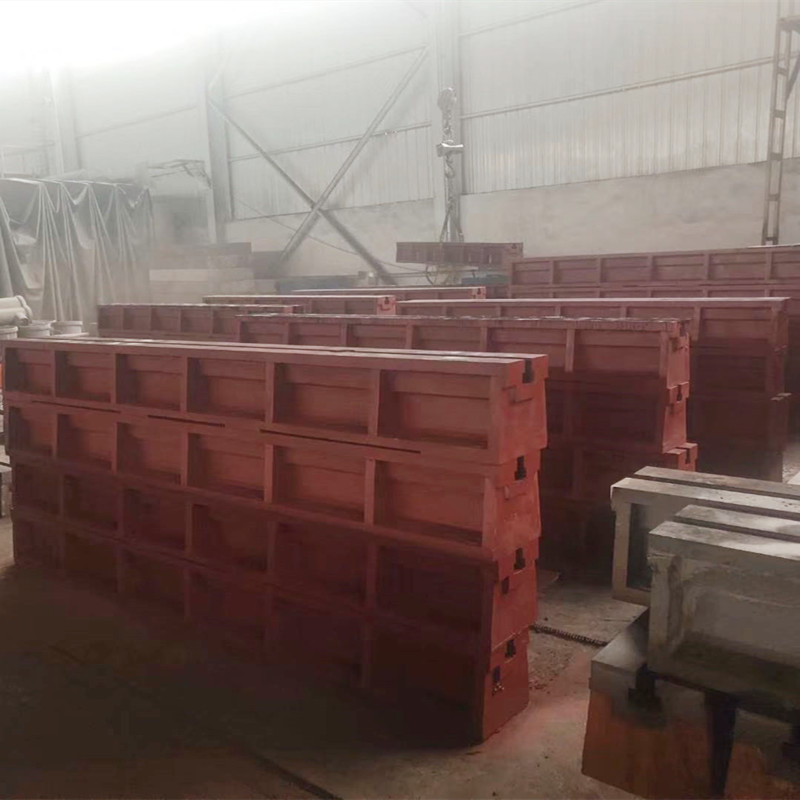
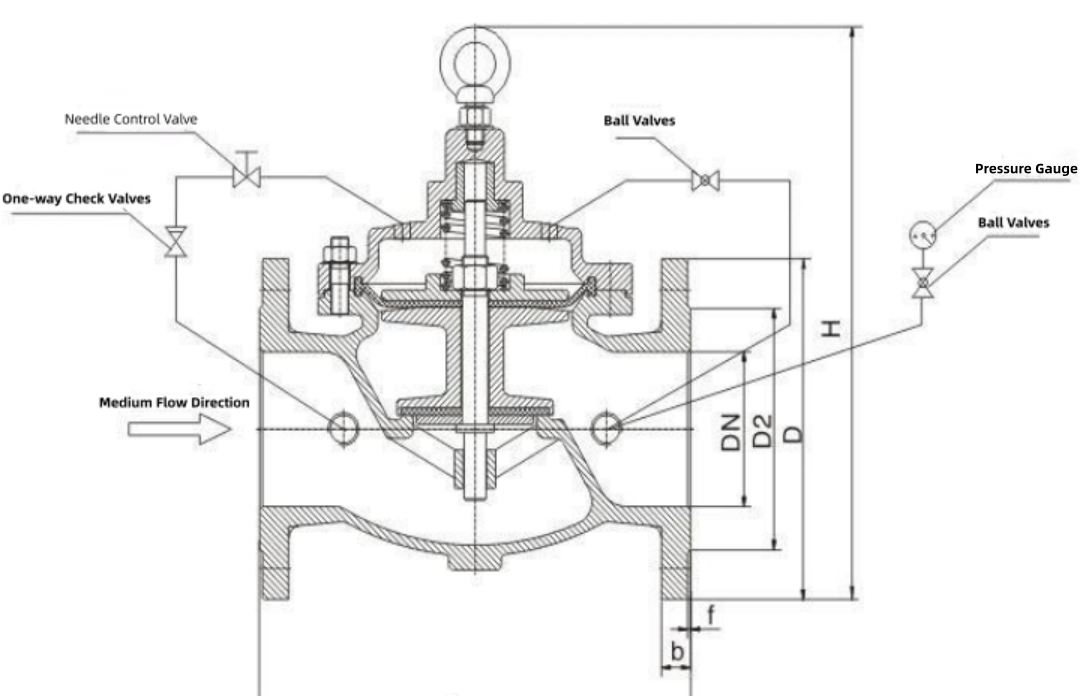
Water Valve Gate Design Prevents Leakage and Corrosion
In the realm of water management within pipelines, the design of water valve gate is of paramount im
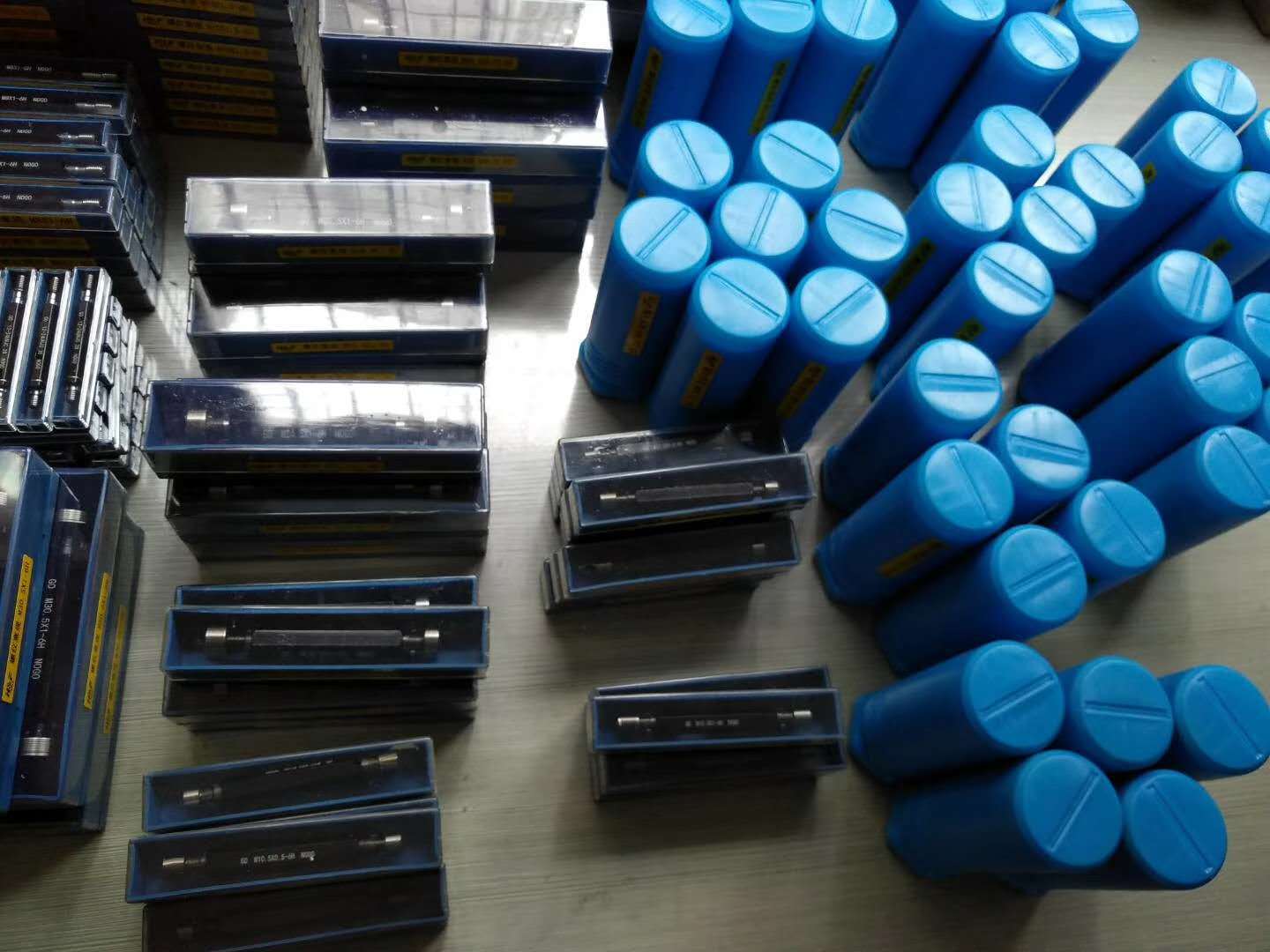
Wire bird spikes for effective bird control solutions in outdoor spaces.
Bird spikes wire is a common and effective solution to prevent birds from roosting or nesting on bui
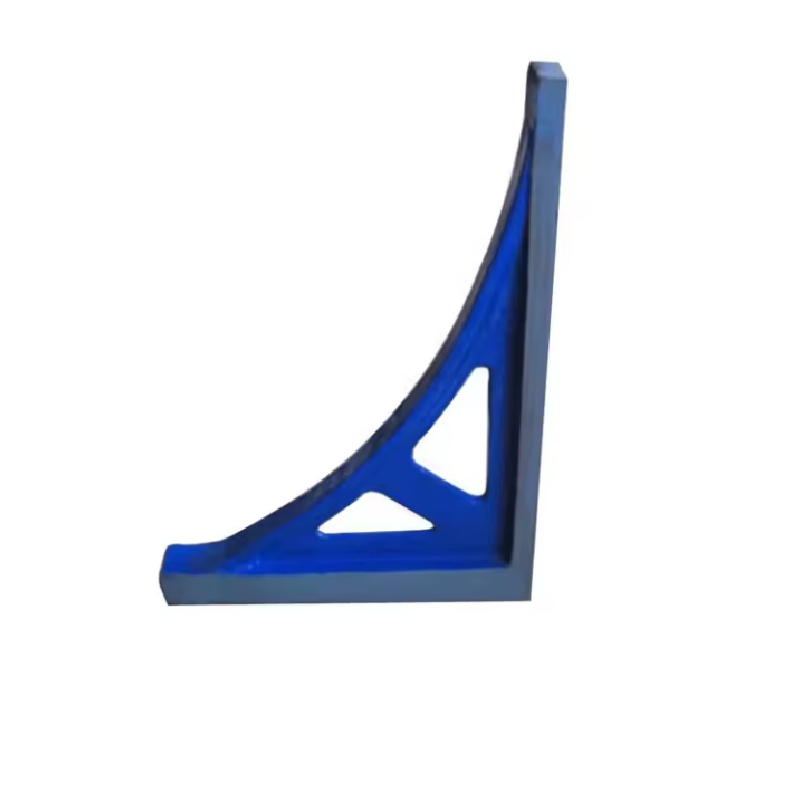
Versatile Adjustable Thread Ring Gauge for Precision Measurement and Quality Control in Manufacturin
Understanding Adjustable Thread Ring Gauges In the world of precision engineering and manufacturing,
 English